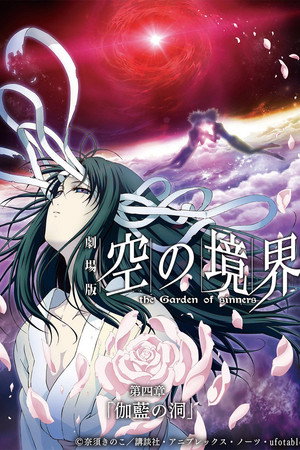
El jardín de los pecadores: garan-no-dou (Altar vacío) Ver Película online gratis Latino en Español
El jardín de los pecadores: garan-no-dou (Altar vacío)
Calificaciones de películas: 6.9/10102 Votos
El jardín de los pecadores: garan-no-dou (Altar vacío)

Calificaciones de películas: 6.9/10102 Votos
Palabras clave: El jardín de los pecadores: garan-no-dou (Altar vacío) película completa, ver El jardín de los pecadores: garan-no-dou (Altar vacío) latino online, El jardín de los pecadores: garan-no-dou (Altar vacío) en español gratis, descargar El jardín de los pecadores: garan-no-dou (Altar vacío) gratis
The session begins with the announcement of opinions – decisions in argued cases – followed by the swearing in of new members to the Bar of the Supreme Court. These sessions, which typically last 15-30 minutes, are open to the public. The Supreme Court of the United States (SCOTUS) is the highest court in the federal judiciary of the United States. It has ultimate appellate jurisdiction over all U.S. federal court cases, and over state court cases that turn on questions of U.S. constitutional or federal law. Nine Justices make up the current Supreme Court: one Chief Justice and eight Associate Justices. The Honorable John G. Roberts, Jr., is the 17th Chief Justice of the United States, and there have been 104 Associate Justices in the Court’s history. The Supreme Court is in Austin, immediately northwest of the state Capitol. Supreme Court justices are elected to staggered six-year terms in statewide elections. Read the latest U.S. Supreme Court news, from cases and rulings to new nominees and confirmations. Get all of the most up-to-date coverage from AP News. Track the Court’s live docket with source-backed case coverage, justice votes, and plain-English analysis of every decision. All articles related to the United States Supreme Court. The premier source for Supreme Court news, analysis, and data since 2002. Independent and non-partisan. © 2026 SCOTUSblog. All rights reserved. Although the Constitution establishes the Supreme Court, it permits Congress to decide how to organize it. Congress first exercised this power in the Judiciary Act of 1789. This Act created a Supreme Court with six justices. It also established the lower federal court system. The Supreme Court of the United States is the final court of appeal and final expositor of the U.S. Constitution. Within the framework of litigation, the Supreme Court marks the boundaries of authority between state and nation, state and state, and government and citizen.